



 Go Back
A lot of people put off a check-up because they’re not sure what they’re walking into. The not-knowing makes it easier to keep pushing the appointment down the list of ‘life stuff’.
But then, once you’ve been for a check-up, it’s so much easier to book the next one. Knowing what happens at a dental check-up makes all the difference.
If it’s been a while between appointments, or you’re concerned about your comfort during the dental check-up process, this guide will help. It covers:
- What to prepare
- What the dentist examines
- What happens during a scale and clean
- When X-rays may be recommended
- How any findings and further treatments are discussed
And if you still have questions after reading through it, you’re always welcome to contact our team on 1300 625 625.
If you have severe pain, facial swelling or recent dental trauma, don’t put it off. Read our guide on what to do during a dental emergency and contact Dental 359 right away.
Before You Arrive: What to Prepare
The dental check-up process actually starts a little bit before you visit.
There isn’t a lot you need to do, but a few things make the appointment run more smoothly and give the clinical team the information needed to assess you safely.
Bring the following if you have them:
- Your private health fund card or digital membership details
- Your Medicare card, particularly for an eligible child using the Child Dental Benefits Schedule
- Any referral letters or recent dental X-rays held by another practice
- A current list of medications, including the dose where possible
Some medications affect your gums or saliva, or how we approach certain treatments. And if you’ve previously had dental work such as dental implants or All-On-4® implants, it may affect the dentist’s recommended treatment and home care advice.
New Patients Visiting Dental 359 For the First Time
If you’re a new patient, you’ll need to complete a short medical history form. It’s worth arriving five or ten minutes early for your first visit.
Returning patients usually just confirm that nothing has changed.
Will Medicare Cover My Dental Check-Up in Perth?
Most routine adult dental care at a private practice is not covered by Medicare. Your health fund may contribute towards some services, depending on your policy and available limits.
We still ask you to bring your Medicare card for administrative purposes.
Our Team is Here To Make You Comfortable
One more thing: if you’re anxious about the appointment, tell the receptionist when you book or when you arrive.
You won’t be the first person that day to say it, and it genuinely changes how we pace things for you. There’s no need to explain or apologise. Just let us know.
When You Arrive: The First Few Minutes
When you get to our practice on Rokeby Road, you’ll be welcomed at reception and asked to confirm your details.
New patients may need to finish their medical history form. Returning patients may be asked to confirm their address, health fund details or any recent medical changes.
If anything needs a quiet word, you can ask to discuss it privately with the dentist rather than at the front desk.
Dental 359 is a purpose-built practice on Rokeby Road in Subiaco. The clinic has been designed to be calm and modern, and the waiting area is a comfortable place to sit for the few minutes before your appointment.
A team member will call your name and take you into the treatment room when the dentist is ready. The clinical team will get you settled in the chair and talk you through what’s going to happen. You will have an opportunity to raise any concerns before the examination begins.
The Dental Check-Up Process: What the Dentist Actually Does
A routine dental check-up in Perth generally follows these stages. However, we can adjust to your needs and comfort level.
1. Reviewing Your Dental History
Before looking in your mouth, the dentist goes over your medical and dental history. For returning patients, that means checking what’s changed since your last visit and revisiting anything we’ve been keeping an eye on.
For new patients, it’s a broader conversation covering:
- Previous dental work (fillings, crowns or extractions)
- Any teeth that have given you trouble
- Injuries, grinding or earlier gum treatment
- Whether you’ve had any pain or sensitivity
- Medications noted on your form
This information helps the dentist know what to look for. For example, a tooth with an old filling may need to be assessed differently from an untreated tooth. A medication that reduces saliva may also influence the advice you receive.
This is also the time to mention something that’s been bothering you, even if it seems minor, before the examination begins.
2. Visual Examination
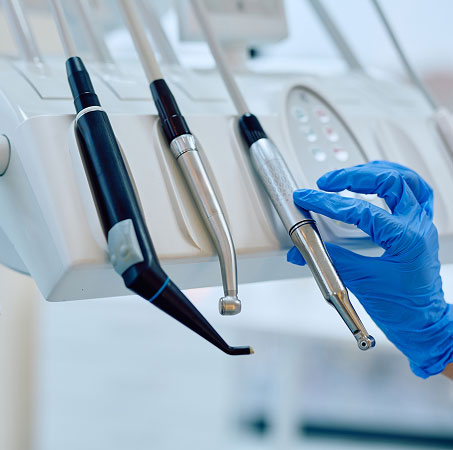
Next, the dentist examines your mouth using a small angled mirror and a fine instrument called a probe. They gently check the surfaces of your teeth from all sides and assess your gums.
The dentist may assess:
- Each tooth and any existing fillings, crowns or implants
- The gums and areas where they meet the teeth
- The tongue, cheeks, and other soft tissues (this part doubles as an oral cancer check)
- Your bite, jaw movement, and signs of tooth wear
As the dentist works through your mouth, you might hear them calling out numbers to the assistant. That’s called “charting”.
Each tooth gets recorded, including previous treatment and anything observed during the examination. This gives our team an accurate map of your mouth to compare against during future visits.
It sounds clinical, but it’s really just note-taking.
3. X-Rays (When Required)
Not every check-up includes X-rays. The dentist may recommend them if you are a new patient, are returning after a long break or have a symptom requiring further assessment.
They might also want to investigate something that can’t be assessed clearly by sight.
Dental 359 can take a single targeted X-ray or full-mouth X-rays, depending on what needs to be reviewed.
If you’re pregnant or think you might be, let us know, because X-rays can often be deferred.
4. Scale and Clean
For many patients, the scale and clean is the least familiar part of what happens at a dental check-up. It’s also where people who have not attended recently may experience some sensitivity.
Over time, the plaque that builds up on your teeth hardens into tartar. It’s also called calculus. Once plaque hardens into tartar, brushing and flossing alone can’t shift it.
That’s why you’ll almost always receive a professional clean during a dental check-up in Perth. It removes the build-up that your toothbrush physically can’t.
Some people develop tartar deposits quickly, while others have smaller amounts. Its location also matters. Tartar around crowded teeth or below the gumline may take longer to remove.
How the Scale and Clean Works
Many clinics rely on hand instruments for this. Others use an ultrasonic scaler that lifts tartar away using gentle vibration. Both do a similar job.
At Dental 359, we perform scale and cleans using Airflow technology, which directs a controlled stream of air, water, and fine powder to clean plaque and some surface staining. A scaler is then used to remove any remaining hardened tartar from above and below the gum line.
After removing the tartar, polishing smooths and cleans the tooth surfaces and lifts light staining. Polishing tidies up what’s there; it won’t change the natural shade of your teeth.
Does a Scale and Clean Hurt?
It’s common to feel some sensitivity during a clean. The airflow technology uses heated water as well as the scaler in order to provide reduced sensitivity from cold water at most clinics. Some people feel little more than vibration and water. Others notice temporary sensitivity, particularly around exposed root surfaces or inflamed gums.
That’s normal; it passes, and you can raise your hand and ask us to pause at any point. We can also adjust the water temperature for comfort.
5. Discussion With Your Dentist
Once the examination and cleaning are done, the dentist talks you through what they found. That covers:
- What’s looking healthy
- Areas that need attention
- Anything they want to keep an eye on long-term
- Oral hygiene home-care tips
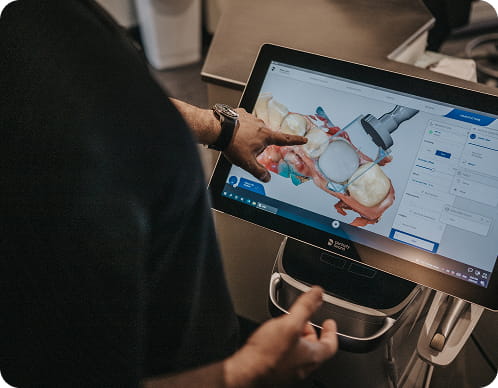
Where possible, they will show you an X-ray, photograph or mirror view so you can see what is being discussed.
Our team focuses on personalised treatment plans that aim to enhance both function and appearance, so you can smile comfortably and confidently.
If the dentist recommends further treatment, you can expect a full explanation and quote. You decide whether to proceed from there. Some concerns can be monitored. Others may need more immediate care, but the team will explain the reasons and your options.
If anything more complex comes up during your appointment, our principal dentist is on hand to review the details and confirm the plan.
How Long Does a Dental Check-Up Take?
Allow around 60 minutes for a standard check-up and clean. If it’s your first visit with us, the appointment may run a little longer because we’re getting to know you and your history.
A couple of things can change how long your check-up takes.
- If X-rays are taken, they’re an additional cost, which the team will let you know about.
- If we pick up something that needs attention, the dentist will talk you through the options for same-day or deferred treatment.
Whether a required treatment can be done the same day depends on what it is. Sometimes it can, while sometimes it’s better booked separately.
Your dental care team will talk you through the options and available times.
How Often Should You Have a Dental Check-Up?
Scheduling a dental check-up every six months is the general recommendation for adults. A regular rhythm means small issues get picked up early.
That said, the ‘right’ interval isn’t the same for everyone. Healthdirect advises aiming for a dental check-up every six to 12 months, noting that “Your dental practitioner can tell you how often you need a check-up in your situation, based on the health of your teeth and gums.”
The Cost Question
Being in the dark about what happens at a dental check-up isn’t the only reason people delay booking. The Australian Institute of Health and Welfare (AIHW) found that 32% of Australian adults have avoided or delayed dental care because of cost.
The catch is that delaying often makes treatment more involved and more expensive later, which is exactly what regular check-ups are designed to head off. Catching a small problem at a routine visit is almost always simpler and cheaper than letting it build up.
If cost is part of what’s held you back, it’s worth knowing we offer payment options including the interest-free National Dental Plan and Pretty Penny Finance. We can talk you through those without any commitment, to help you get quality dental care without hurting your finances.
What If It’s Been a While Between Dental Check-Ups?
If it’s been years rather than months, you’re in good company. Just over one in two Australian adults (51%) has what AIHW calls a “favourable visiting pattern”.
People put off appointments for many reasons. Cost, previous bad experiences, and not knowing what happens at a dental check-up can all play a part.
Don’t worry; you won’t get a lecture when you arrive at Dental 359. We’re only concerned with improving your oral health and supporting your confidence with a healthy smile.
A longer gap also does not automatically mean you will need additional treatment. The examination and cleaning may take more time, or the dentist might recommend fresh X-rays. Still, unless you’re experiencing pain or discomfort, it may just be a routine check-up.
Next Steps: Book Your Dental Check-Up In Perth
Now that you know what happens at a dental check-up, we’re looking forward to welcoming you to our purpose-built Dental 359 clinic on Rokeby Road, Subiaco. Our goal is to make your visit as comfortable as possible, using contemporary equipment and treatment methods designed to meet the highest standards of clinical care.
You can book a check-up at Dental 359 here or call our team on 1300 625 625 if you’d rather talk it through first.
If it’s been a while or you’re a new patient, let us know during booking so we can be on the lookout when you arrive.