


Dental Implants in Perth & Subiaco
What Are Dental Implants?
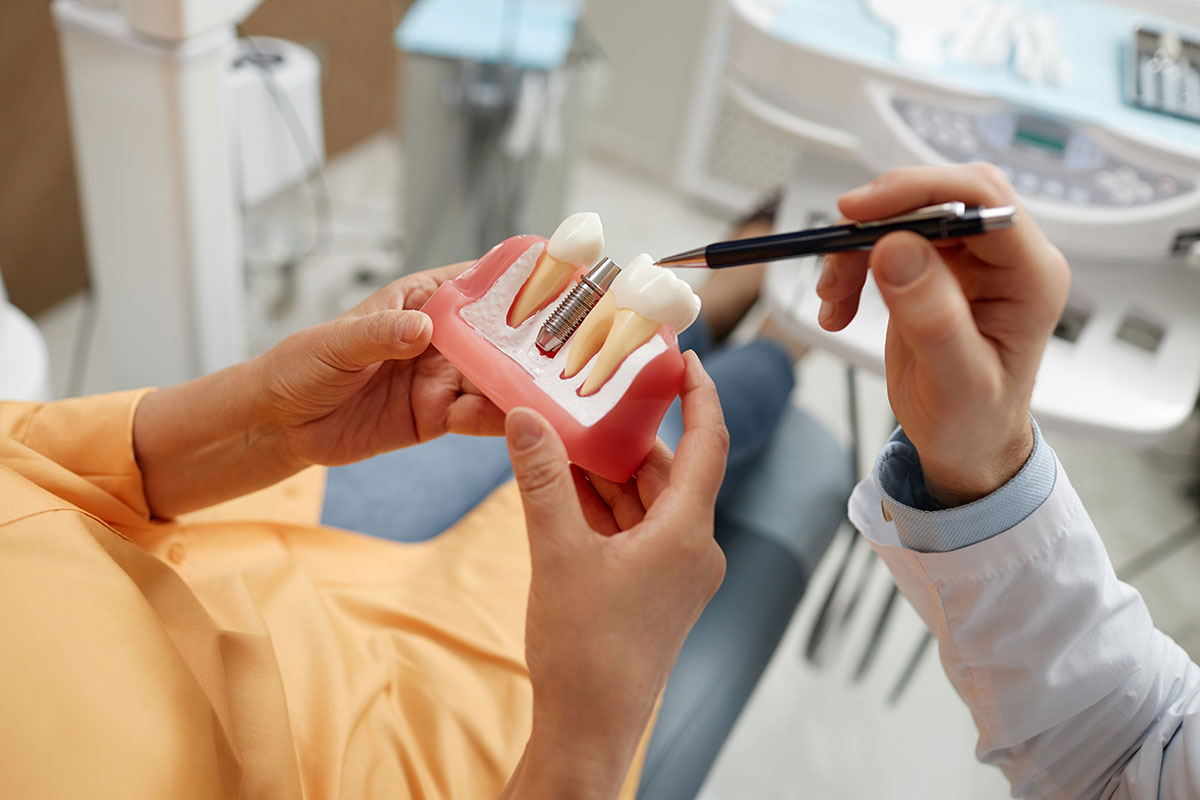
An implant works in three parts. First is a small titanium post placed into the jawbone where the root of your lost tooth used to be. Over time, the bone can grow around and bond to the implant, a process called osseointegration. A small connector called an abutment sits on top of the post. Once osseointegration stabilises the implant, your dentist can add a custom-made crown, the visible tooth-shaped part of the implant that looks and works like your natural tooth in many cases.
If you’ve lost a tooth to injury, decay or gum disease, a dental implant is one way to replace it. It differs from dentures and bridges:
- Dentures sit on the gum and can be taken out.
- A bridge can replace one tooth but relies on the teeth on either side.
- An implant supports one dental crown and stays in place without relying on neighbouring teeth.
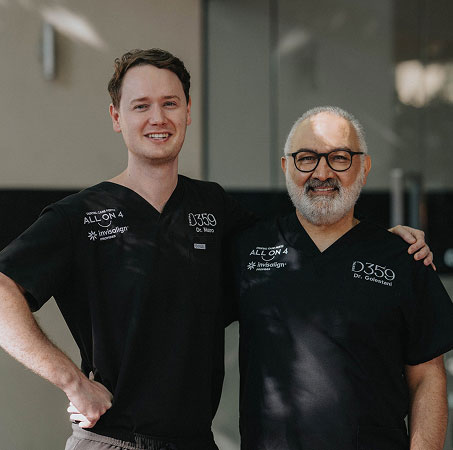
Which option suits you depends on your mouth, your health and what your dentist finds during your consultation. Dr Thomas Munro is Dental 359’s principal dentist and focuses part of his practice on implant dentistry. He holds postgraduate diplomas in dental implants and oral surgery.
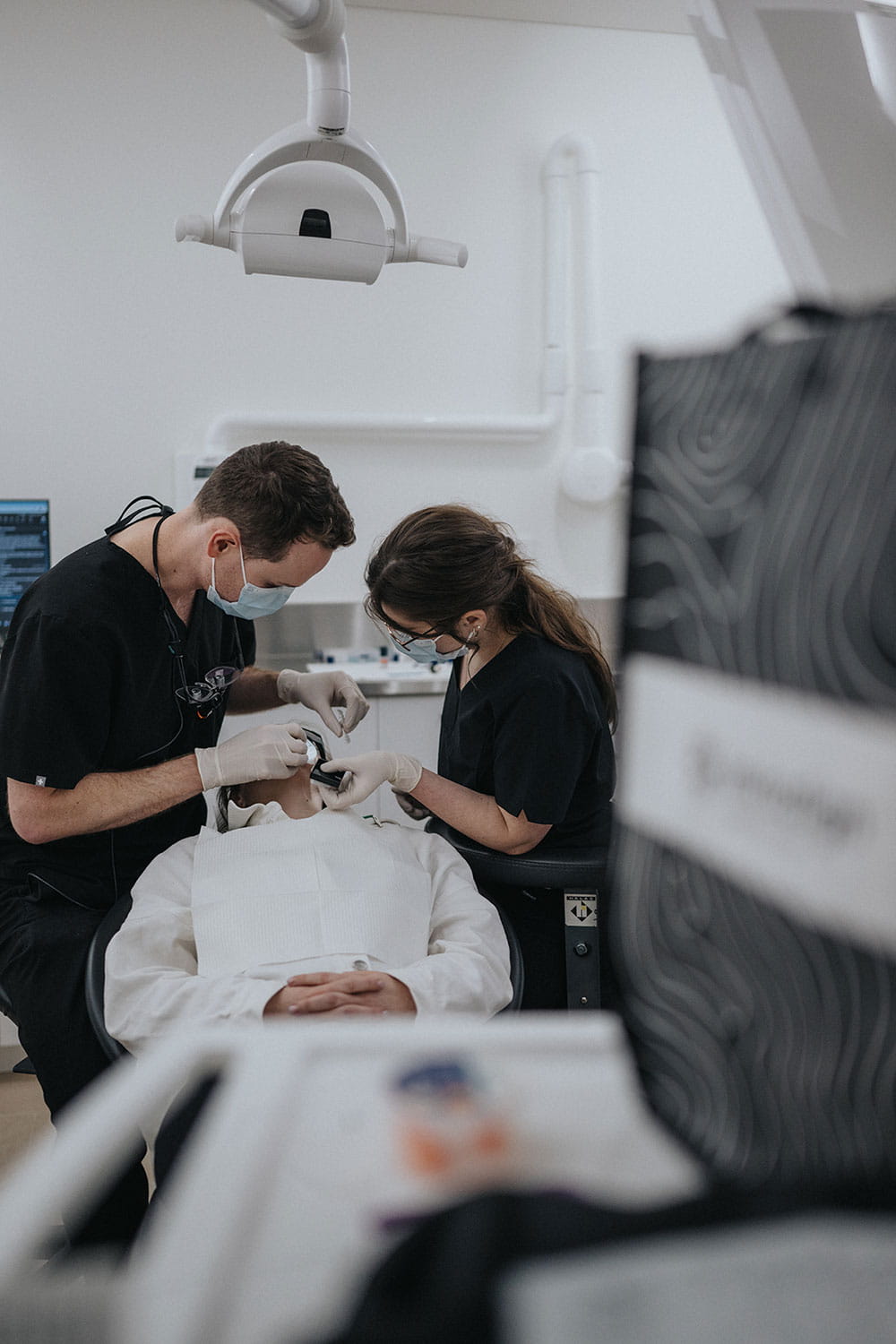
Nobel Biocare Implant Systems at Dental 359
Dental 359 uses Nobel Biocare for dental implants in Perth. Nobel Biocare was the first dental implant company, founded over 60 years ago by the inventor of dental implants. Since 1965, they have remained at the forefront of innovation in dental implants, including inventing the approach and components for All-On-4® implants. We choose Nobel Biocare because the systems align with our own commitments to innovation and uncompromising quality. Using this established and well-respected system also benefits our dental implant patients in three ways.
- The titanium posts and connectors are made to consistent specifications.
- Components are designed to work together through the surgical and restorative stages.
- Parts are likely to be available if your crown ever needs adjusting or replacing.
Dr Munro is trained in Nobel Biocare placement. During your dental implant consultation, you are more than welcome to ask Dr Munro exactly why we use Nobel Biocare systems, and whether there are alternative options.
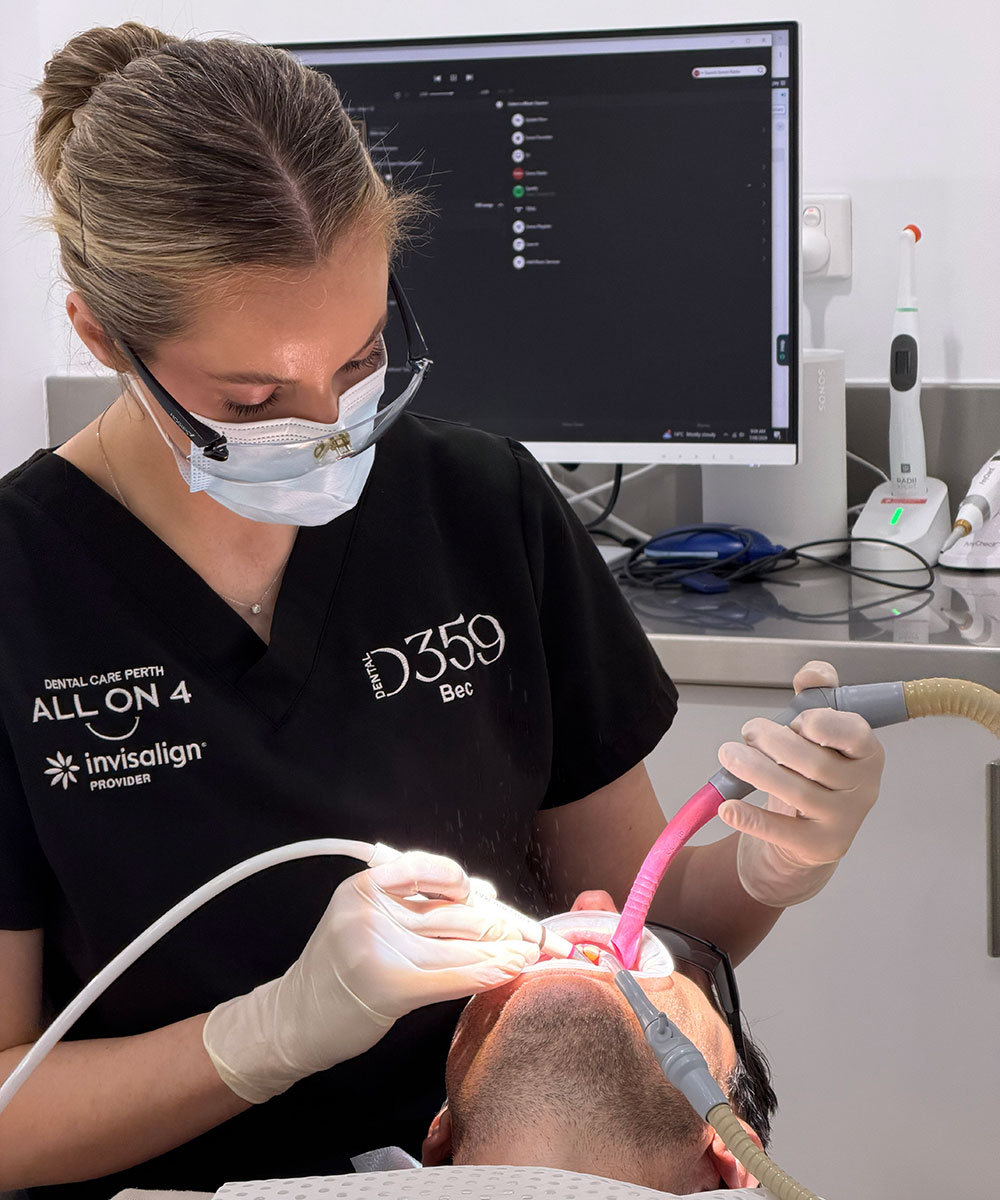
Am I Suitable for Dental Implants?
Many people who are missing one or more teeth and are in reasonable general health can consider implants. However, you’ll need a consultation with an implant dentist to confirm whether dental implants are suitable for you.
Your dentist will look at your general health, oral health and the condition of the proposed implant site. In particular, there needs to be enough healthy bone to support the implant. If bone volume is limited, a bone graft may be considered in some cases.
Good daily oral hygiene is also important because the gum and bone around an implant need ongoing care. Smoking is linked to higher rates of implant failure because it reduces blood flow to the gums, interfering with healing.
Suitability for Dental Implants Is Individual
Jawbone loss, smoking or oral health issues do not automatically rule out the option for dental implants. We assess suitability individually at a consultation, based on your health history, X-rays and a “CBCT scan”, a 3D X-ray that shows the exact shape and depth of your bone. A consultation is required before any implant treatment begins.
The Dental Implant Process at Dental 359
Consultation and CBCT Scan
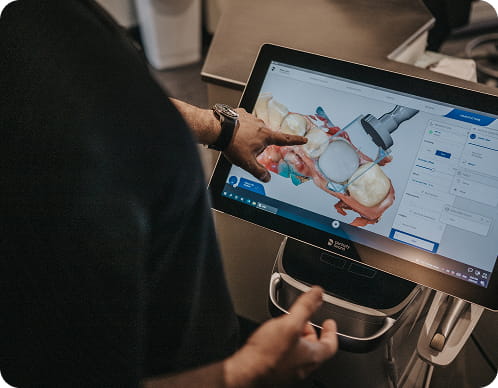
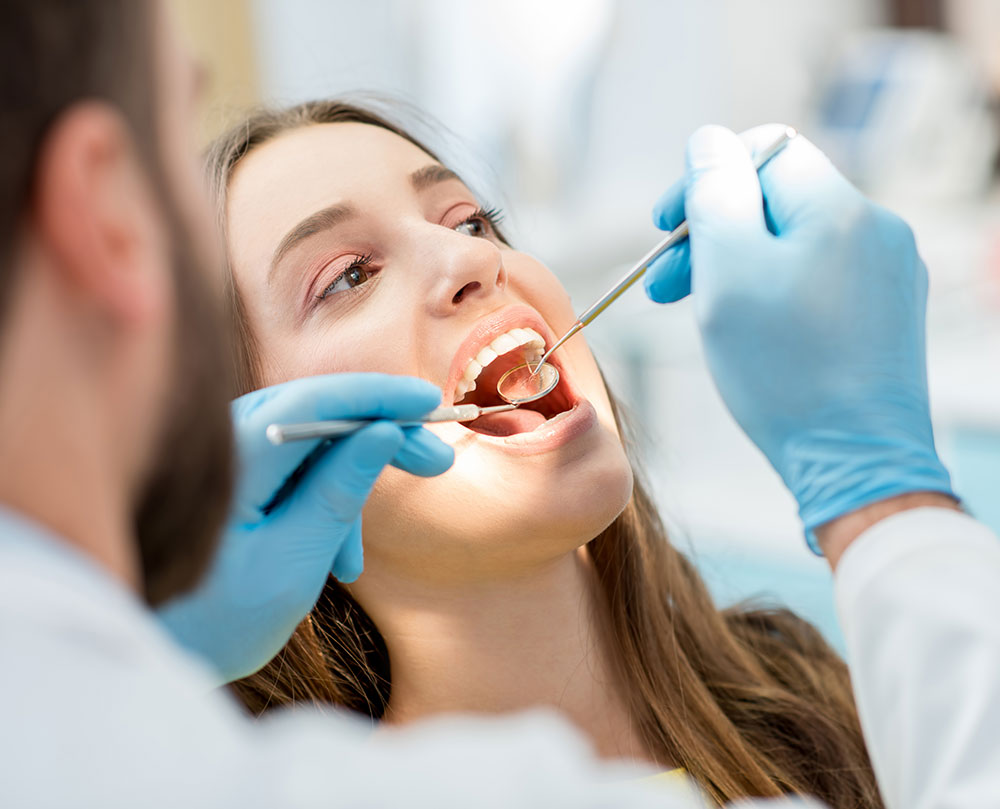
Dr Thomas Munro or your treating dentist examines your mouth, talks through what you’d like to replace, and takes a CBCT scan (a 3D X-ray) to map your bone. This is where we check whether an implant is suitable. Your dentist may discuss alternatives or additional treatment.
Treatment Plan
Your dentist plans the implant position from the scan and talks you through the stages and costs for dental implants in our Subiaco clinic. They will also discuss any additional procedures, such as an extraction or bone graft where relevant. There’s no pressure to decide on the day.
Implant Placement
Your dentist places the titanium post in the jawbone under local anaesthetic to numb the area. You may feel pressure or movement during the procedure. In some cases, gum grafting may also be considered as part of the procedure. Depending on the procedure and your circumstances, other anaesthetic or sedation options may also be possible. Let us know if you are anxious about dental procedures so we can discuss alternatives with you.
Healing and Osseointegration
The bone fuses with the implant over the following months. This process is called osseointegration. Healing time varies depending on a range of factors. Your dentist will review the implant during this period and decide when it is stable enough to move to the restorative stage. You may wear a temporary tooth in the meantime if the gap shows when you smile.
Crown Placement
Once the implant has integrated, we take a scan to prepare the final replacement tooth. Your dentist will fit the abutment and crown, which is shaped and shaded to blend with your natural teeth. Your dentist checks the fit, shape and bite, adjusting where necessary.

Types of Dental Implants at Dental 359
Single Tooth Implant
A single dental implant can replace one missing tooth. Your dentist places a titanium implant in the jaw, which fuses with the bone and eventually supports a custom-made crown that’s shaded and shaped to match your teeth. This avoids using neighbouring teeth to support the replacement tooth. It may be an option when other teeth are healthy and there is enough bone at the missing-tooth site. Your dentist may discuss alternative treatments where relevant, including a conventional bridge or removable replacement.
Multiple Teeth and Implant Bridges
Several missing neighbouring teeth can sometimes be replaced with an implant-supported bridge. Two or more implants support a connected row of replacement teeth. You do not need an implant for every missing tooth. The number and position of implants depend on the space being restored, available bone and your bite. Your dentist will determine the appropriate design during treatment planning.
Full Arch (All-On-4®)
When most or all of the teeth in a jaw are gone, four implants can support a full fixed arch. One approach is All-On-4® dental implants, where four strategically positioned implants support a full arch of replacement teeth. All-On-4® often avoids bone grafting. Full-arch treatment is planned differently from single implants or a small implant bridge, and requires detailed assessment, including 3D imaging.
Dental Implant Costs in Perth
The cost of dental implants in Perth varies because treatment is different for each person. Replacing one tooth is a different procedure from replacing several teeth, and additional treatment may be needed before an implant can be placed.
How many teeth you’re replacing, whether you need a bone graft or extraction first, and the type of crown or bridge on top can all affect the treatment cost. This is why we only provide a quote after your consultation and imaging. You will receive a full breakdown of the proposed treatment and costs once your dentist knows exactly what your treatment involves.
Rebates and Payment Plans for Dental Implants in Perth
Dental implants may be eligible for rebates on some private health plans or under extras cover. Rebates depend on your fund, level of cover, limits and waiting periods. We can provide the relevant item numbers so you can check directly with your fund. Medicare usually does not cover implants for adults.
If cost is a concern, our Payment Plans can help spread it, and for suitable cases you can apply for early release of super. We’ll walk you through the paperwork and explain what’s involved, so you can make a decision without any pressure.
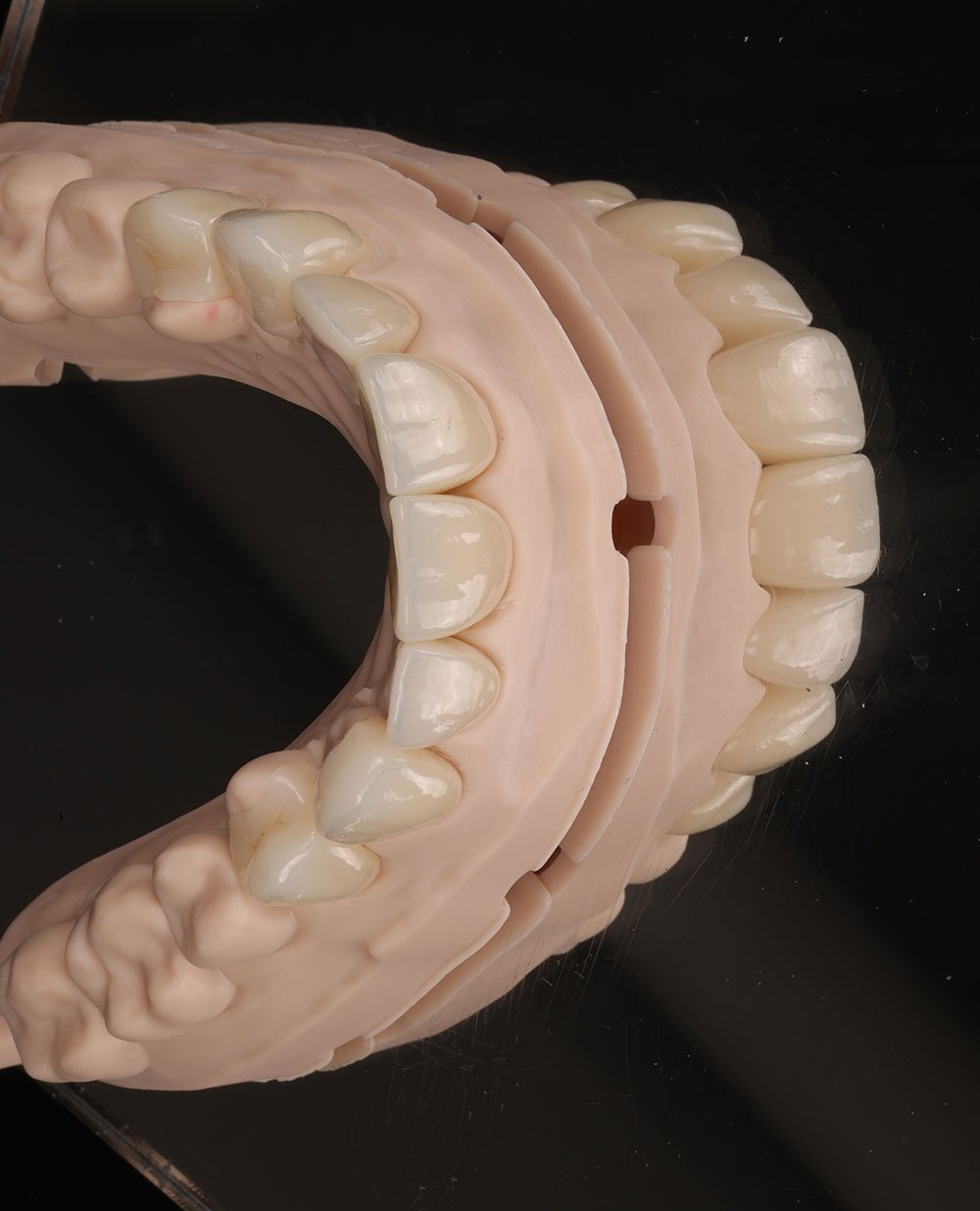
Why Perth Patients Choose Dental 359 for Dental Implants
- Nobel Biocare Systems : We use Nobel Biocare, a pioneering system with 60+ years of experience developing dental implant fixtures and components. We’ll tell you what is being proposed for your case rather than relying on broad claims about implant quality.
- Qualified Implant Dentist : Dr Thomas Munro leads the implant and cosmetic work at Dental 359. He holds postgraduate diplomas in dental implants and oral surgery, supported by international clinical research experience and specific Nobel Biocare training.
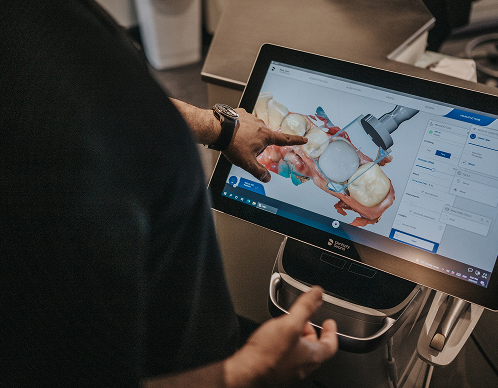
- In-House CBCT Scanning : We take Cone Beam Computed Tomography (CBCT) scans in-clinic. This gives your dentist a 3D view of the implant site. It helps assess your bone and nearby anatomy before planning surgery, alongside your medical history and dental records
- Transparent Communication : We explain what your case involves, potential results, and expected costs before you commit to anything. Implant treatment involves several decisions. That includes whether an implant is suitable and what alternatives are available.
Dental Implant FAQs
People considering dental implants in Perth often have questions about surgery, healing, cost and treatment time. If you can’t find what you’re looking for, feel free to contact the clinic so our reception team and implant dentist can provide more specific information.
Looking after an implant is much like looking after a natural tooth. With good care, dental implants can last years or even decades. Research on healthy patients reports 10-year survival rates of around 90 to 95 per cent. However, while dental implants are intended as a long-term tooth replacement, no dentist can guarantee that an implant will last for a particular number of years. How long yours last depends on your oral hygiene, general health and regular check-ups.
Implant placement is performed under local anaesthetic to numb the treatment area. You may feel movement or pressure during the procedure. Some swelling, bruising or tenderness afterwards is normal while the area heals. Some swelling, bruising or tenderness afterwards is normal while the area heals. Using over-the-counter pain relief as directed is usually enough to manage it. If you’re anxious about treatment, ask us about sedation options at your consultation.
Contact the clinic for an emergency dentist appointment if pain or swelling is persistent or getting worse.
The cost of dental implants in Perth depends on how many teeth you’re replacing and whether you need a graft or extraction first. There is not one fixed price. We will give you a full written quote after examining you and taking a CBCT scan. Private health insurers may rebate part of the cost, and our payment plans can help spread it.
Age alone doesn’t determine whether dental implants are suitable, and there is no upper age limit. Your dentist needs to consider your general health, oral health, bone at the proposed implant site and your ability to maintain the implant afterwards. Some medical conditions or medicines can also affect treatment planning. A consultation, examination and appropriate imaging are needed before your dentist can advise whether implants suit you.
Dental implant treatment commonly takes several months because the implant needs time to fuse with the jawbone, a process called osseointegration, before your dentist can fit the final crown. Healing varies depending on your jawbone, health and lifestyle. The upper jaw often takes a little longer. Your dentist gives you a personalised timeline after the consultation and CBCT scan.
Some private health extras policies may provide partial rebates for dental implant treatment. Whether your treatment is eligible for a rebate, and how much you receive, depends on your health fund, level of cover, annual limits and waiting periods. It’s best to check your specific cover with your fund. Once your dentist has seen you, we can give you the item numbers to ask about.
Medicare doesn’t usually cover implants for adults.
Osseointegration is the process where your jawbone grows around the implant and holds it firmly in place. It is an important part of creating a stable foundation for the replacement tooth. Titanium is used because bone bonds well to it. The process takes time, and healing varies from person to person.
Important information: Treatment outcomes vary and cannot be guaranteed. All dental treatments carry potential risks and may not be suitable for everyone. Your dentist will assess your individual circumstances and discuss the expected outcomes, risks and alternatives before treatment.