





Composite Bonding in Perth & Subiaco


What Is Composite Bonding?
Composite bonding is a cosmetic dental treatment where a dentist applies tooth-coloured resin directly onto a tooth’s surface and shapes it in place to change the appearance. It’s also called dental bonding in Perth. Your dentist applies and shapes the composite resin, then sets it hard with a curing light and polishes it to blend with your surrounding teeth.
Most composite bonding in Perth is done in a single visit. In many cases, little or no enamel needs to be removed, which means it usually doesn’t require anaesthetic and may be reversible later on. Composite bonding may be used on one tooth or several. How much can be changed depends on the tooth, your bite and the condition of the enamel underneath – all things your dentist will discuss at your consultation.
What Can Composite Bonding Address?
Composite bonding may be used for minor cosmetic concerns. It’s most often chosen for smaller, single-tooth repairs and tidy-ups rather than full-smile changes.
- Small chips or worn edges
- Minor gaps between teeth
- Worn or uneven edges
- Teeth that are slightly out of shape or proportion
- Discoloured teeth that don’t respond to whitening
- Exposed root surfaces from gum recession
Dental bonding only changes the surface and shape of a tooth. Issues like tooth position, uneven bite, multiple chipped or cracked teeth, or persistent oral health issues may require additional or alternative treatments.
Whether bonding or another treatment is the right approach for you is something to discuss with your dentist at your consultation.
What to Expect: Composite Bonding at Dental 359
Consultation
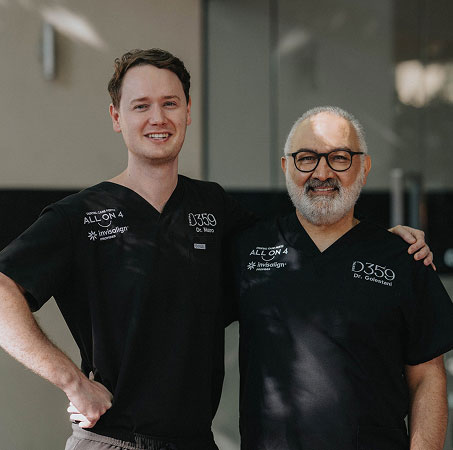
Dr Thomas Munro or your treating dentist examines your teeth and talks through what you’d like to change. We’ll also check for decay, gum problems or bite issues that may need attention first. If dental bonding is suitable, we’ll talk through shade selection, treatment timelines and costs before you decide whether to proceed.
Procedure
Composite bonding at Dental 359 is usually a straightforward, single-visit procedure, depending on the number of teeth and treatment complexity. Your dentist prepares the tooth’s surface and applies tooth-coloured composite resin. The material is shaped in stages and hardened with a curing light. Finally, it’s polished for a smooth, natural-looking finish.
Aftercare
Composite bonding needs the same daily cleaning as your natural teeth, with a little care around habits that may chip or stain the resin. Brush and floss as normal. Keep up regular dental checks and let us know if an edge feels rough. Avoid biting ice, pens or other hard objects, and go easy on staining foods and drinks like coffee, tea and red wine.
Composite Bonding vs Porcelain Veneers: What’s the Difference?
Composite bonding and porcelain veneers both improve the look of a tooth, but they are different treatments using different methods and materials.
Composite bonding

Material : Tooth-coloured composite resin
How it’s made : Shaped directly on the tooth
Tooth preparation : Often less alteration in suitable cases
Appointments : Usually one visit
Staining : Can pick up colour over time
Repairs : Small damage may sometimes be repaired directly
Relative cost : Usually lower upfront
Longevity : May need maintenance or replacement sooner
Porcelain veneers
Material : Dental porcelain
How it’s made : Custom-made by a dental ceramist
Tooth preparation : Some enamel may need to be removed
Appointments : Usually a few visits
Staining : More resistant to staining
Repairs : A damaged veneer may need replacement
Relative cost : Usually higher upfront
Longevity : Generally lasts longer
Neither is automatically better, and individual patient outcomes vary. Your dentist will talk through which fits your teeth and what you’re trying to achieve, so treatments are tailored to you.
Composite Bonding in Perth – FAQs
Composite bonding usually lasts around 5 to 7 years, though this varies with your habits and how well you look after it. Front teeth often last longer than teeth used to bite harder food. Composite resin can chip, wear or change colour over time, so it may eventually need repair or replacement. Regular check-ups help your dentist spot the signs of wear. Avoiding habits like chewing ice or using your teeth to open things can also reduce unnecessary stress on the bonding.
Composite bonding can pick up stains over time from coffee, tea, red wine and smoking. Good oral hygiene keeps the bonded tooth looking fresh, and a professional polish may improve mild surface staining. However, whitening treatment does not change the colour of composite resin. If you’re considering both teeth whitening and dental bonding in Perth, you may wish to talk to our dentists about a smile makeover plan. Whitening may be planned before the final composite shade is chosen.
Composite bonding can often be completed with little alteration to the natural tooth, although the amount of preparation depends on the individual case. Your dentist will still assess the enamel, tooth position and bite. If tooth structure needs to be changed, we’ll explain what is involved before starting, or whether porcelain veneers are more suitable.
The cost of composite bonding in Perth depends on how many teeth you’re treating and the work involved in each. A single chip costs less than bonding across several front teeth, so we don’t publish a fixed price. After your consultation, your dentist will give you a clear cost estimate, and our payment plans can help spread the cost.
Important information: Treatment outcomes vary and cannot be guaranteed. All dental treatments carry potential risks and may not be suitable for everyone. Your dentist will assess your individual circumstances and discuss the expected outcomes, risks and alternatives before treatment.