


Porcelain Veneers in Perth & Subiaco
What Are Porcelain Veneers?
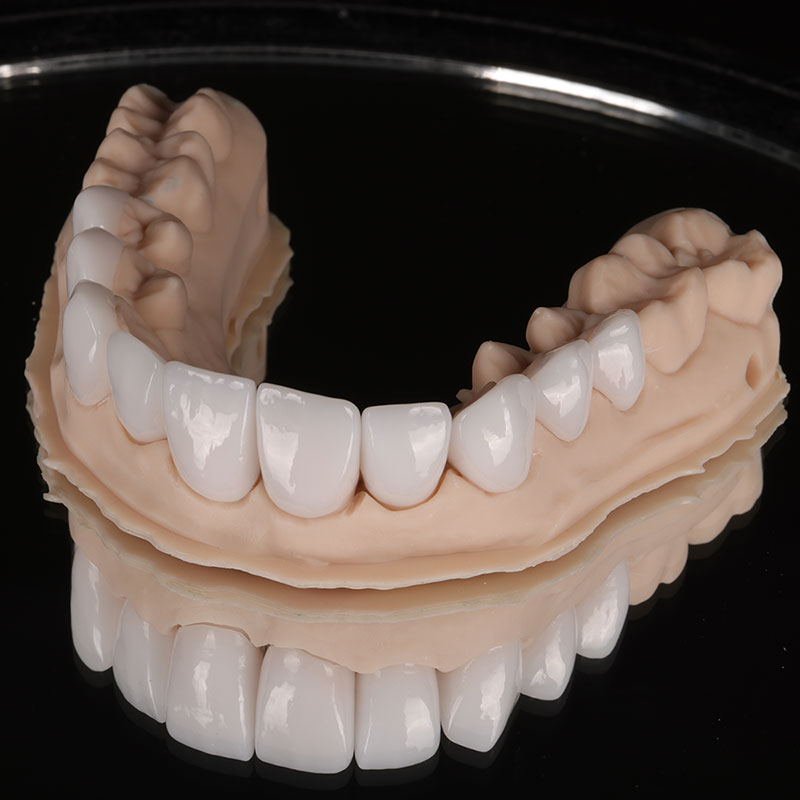
A porcelain veneer is a wafer-thin shell of ceramic, custom-made by a dental ceramist and bonded to the front of a tooth. It sits over the natural tooth like a facing, changing how the tooth looks without replacing it. If you have a chipped front tooth, a stubborn gap, teeth that are worn or slightly out of proportion, or staining that won’t shift with whitening, porcelain veneers are one treatment option that may be considered.
Why Perth Dentists Use Porcelain in Veneers
Porcelain is used because it can be shaped with fine detail and made with a degree of translucency similar to natural enamel. It’s harder and more wear-resistant than alternatives like composite resin. It also resists staining from coffee, tea and red wine, where composite can pick up colour over time. And because porcelain is translucent, it catches the light similarly to natural enamel. A well-made porcelain veneer is hard to pick from the teeth around it.
The Porcelain Veneer Process at Dental 359
Consultation
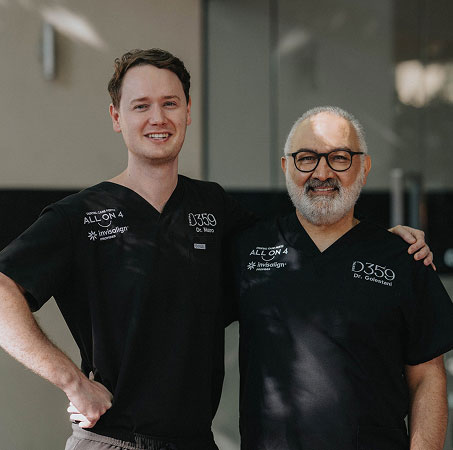
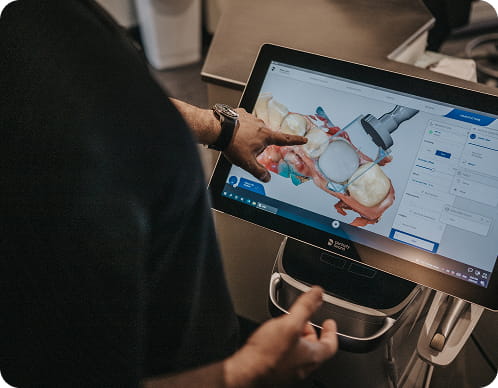
Dr Thomas Munro or your treating dentist examines your teeth, gums and bite, and talks through what you’d like to change. We check your suitability for veneers and may take scans to create a mock-up. Shade and shape are also discussed, along with costs and possible alternative treatments.
Preparation
We prepare teeth by removing a very small amount of enamel where needed, some cases will require little to no preparation to allow the veneers fit seamlessly. Local anaesthetic may be used for your comfort. We confirm the shade and place temporary veneers while our dental ceramicist partner produces the final veneer.
Ceramic Fabrication
Our dental ceramicist partner lab makes your porcelain veneers in Perth – we don’t outsource to overseas labs. Each shell is designed to match tooth shape, position and the shade we chose. Timeframes vary depending on case complexity and the number of veneers.
Fitting and Review
Your temporary veneers come off and each porcelain veneer is checked for fit, shape and bite before bonding. We review your bite, make adjustments if needed, and provide aftercare guidance. We’ll also schedule a check-up before you leave.
Porcelain vs Composite Veneers: Which Is Right for You?
Porcelain and composite veneers can both change the visible shape and appearance of a tooth, but the materials and treatment process are different.
Composite resin is applied directly to the tooth and shaped by your dentist in the chair. Porcelain veneers in Perth are made separately by a dental ceramist before being bonded to the teeth.
Porcelain veneers

Appearance : Translucent, closely mimics enamel
Invasiveness : Some enamel may be removed. The amount varies and will be discussed before treatment.
Lifespan : Usually 10 to 15 years with good care
Repairs : Replaced if damaged
Relative cost : Higher upfront, lower long term
Composite veneers
Appearance : Good, slightly less lifelike
Invasiveness : Often less alteration to the natural tooth, depending on the case.
Lifespan : Usually around 5 to 7 years
Repairs : Can often be patched in the chair
Relative cost : Lower upfront, higher long term
This is a guide only – individual results vary. The better option depends on what needs changing, the condition of the tooth and how much treatment you’re comfortable having. You don’t need to choose a material before your appointment. It’s best to talk it through with your dentist before making a final decision.
How Long Do Porcelain Veneers Last?
With good care, porcelain veneers may last 10 to 15 years or more. However, exactly how long depends on the health of the supporting tooth, your bite, oral hygiene and how the veneers are treated over time.
- Brush and floss as normal.
- Keep up your regular check-ups so we can spot any wear early.
- Go easy on the things that stress porcelain: biting nails, chewing ice, or using your teeth to open things.
Let us know if you grind your teeth at night (“bruxism”), as a night guard can protect both your veneers and your natural teeth.
Porcelain can chip, fracture or come loose over time. Veneers may eventually need repair or replacement. If something feels different, book a check-up at the first opportunity.
Porcelain Veneers in Perth – FAQs
Before your consultation for porcelain veneers in Subiaco, read up on the common questions we have heard from patients throughout the last 25 years.
Porcelain veneers are a long-term treatment, but the veneers themselves are not considered permanent. Some natural tooth structure may need to be removed when a tooth is prepared for a veneer. Once that has happened, the tooth will generally continue to need a veneer or another suitable restoration covering the prepared surface. The porcelain can also wear, chip, fracture or come loose over time. A veneer may eventually need repair or replacement.
Getting porcelain veneers in Perth involves altering the tooth in some cases, so it is important to understand exactly what is involved before going ahead. The amount of preparation still varies between patients and between individual teeth. Porcelain veneers also tend to need less tooth reduction than a crown because a veneer mainly covers the front surface.
Veneers do not treat underlying dental problems. If there is decay, active gum disease or another issue affecting the tooth, this needs to be assessed first.
The cost of porcelain veneers in Perth depends on the individual treatment plan. We don’t publish prices online because they are likely to be different for every patient, depending on a number of factors:
- The number of teeth being treated
- How much planning and preparation is required
- Whether other dental treatment is needed first
- The laboratory work involved in producing the final veneers
Composite veneers may cost less than porcelain because they are shaped directly on the tooth rather than being made separately by a dental ceramist.
Dr Thomas Munro or your consulting dentist will assess your teeth first and explain the recommended treatment before giving you a written cost estimate. You can then consider the treatment and cost before deciding whether to proceed.
Check our Payment Plans information to learn how you can spread the cost of dental treatment. If you’re considering veneers purely for appearance, you can also ask whether a less invasive treatment could address the same concern.
Veneers can sometimes change the appearance of mildly uneven teeth, but they do not move teeth or correct your underlying bite. Your dentist may discuss orthodontic treatment such as Invisalign to physically move teeth towards the desired position. In other cases, a small change in shape may be enough.
Care for veneers much as you would your natural teeth: brush twice a day, floss daily, and keep up your regular check-ups and cleans. Avoid biting hard objects, and tell your dentist if you grind your teeth as a night guard can help.
Important information: Treatment outcomes vary and cannot be guaranteed. All dental treatments carry potential risks and may not be suitable for everyone. Your dentist will assess your individual circumstances and discuss the expected outcomes, risks and alternatives before treatment.