


 Go Back
Most Australians know that a dental check-up usually includes a professional scale and clean. But what you might not know is that some oral health concerns need deeper or different cleaning.
In fact, there are several types of professional teeth cleaning that are helpful to know about, and some clinical terminology that will help you understand your dental care.
What’s the difference between a scale and clean vs. deep clean? What is a periodontal clean? Is Airflow or ultrasonic technology better? All these questions can be confusing when you hear them for the first time in a dental clinic. Knowing a little about each makes that conversation easier, and it means nothing at the appointment comes as a surprise.
Why Are There Different Types of Professional Teeth Cleaning?
Different types of professional teeth cleaning are used because teeth and gums don’t all need the same level of care.
Some treatments remove everyday plaque and hardened tartar/calculus. Others treat deposits below the gums or help manage gum disease. And some terms describe the equipment used during the clean.
In Australian dental practice, the types of professional teeth cleaning you’ll hear about usually include:
- Standard scale and clean: Routine cleaning that removes plaque and hardened tartar, usually followed by polishing.
- Periodontal cleaning: Deeper treatment focused on removing bacterial deposits below the gum line in patients with gum disease.
- Airflow cleaning: A method using air, water and fine powder to remove soft bacterial deposits and surface stains.
- Ultrasonic cleaning: A scaling technique that uses high-frequency vibrations to break up hardened deposits.
These aren’t always separate treatments, so don’t think of it as a menu where you choose one. A single appointment often combines several. A routine clean might start with Airflow, move to an ultrasonic scaler for hardened deposits, and finish with hand instruments in the tighter spots.
The important distinction is what needs cleaning, where the deposits are, and whether there’s an underlying gum condition to treat.
Standard Scale and Clean
What Is a Standard Scale and Clean?
A standard scale and clean is the routine professional cleaning commonly performed during a dental check-up. It’s generally suitable for people with healthy gums or nothing more than mild gum inflammation.
You’ll also hear this type of teeth cleaning called “prophylaxis” (a clinical term for preventive cleaning), scale and polish or simply a routine clean.
The treatment has two main parts:
- Scaling removes hardened plaque (known as calculus or tartar) from your teeth and around the gum line. Plaque starts as a soft, sticky film containing bacteria. If it isn’t removed, minerals in your saliva can cause it to harden until it’s too much for brushing and flossing to manage.
- Polishing removes some remaining soft deposits and external stains, leaving the tooth surfaces feeling smoother. Depending on your needs, your clinician may use polishing paste, a rubber polishing cup or another suitable method.
What It Feels Like
Your dentist or hygienist first checks the condition of your gums, and where plaque and tartar have accumulated. They then use an ultrasonic scaler, hand instruments or both to remove the deposits.
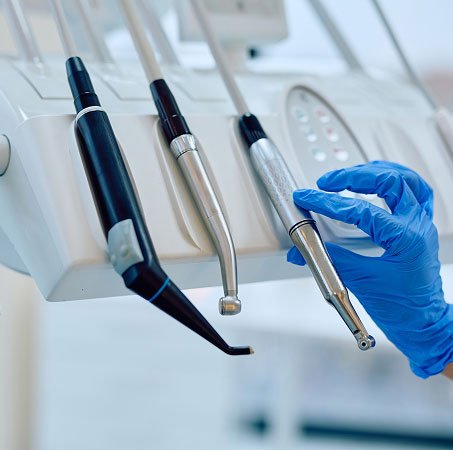
An ultrasonic scaler has a small metal tip that vibrates at high speed to break up calculus, with a steady water spray to flush the area. It shouldn’t hurt, although sensitive spots can feel uncomfortable for a moment.
Scalers and curettes – small, finely shaped hand tools – are used to remove calculus at the gum line. You might feel pressure and a scraping sensation.
Some people find hand instruments less comfortable than the ultrasonic scaler, while others prefer them. Both are clinically effective, and they’re often used together.
After scaling, your teeth may be polished. You might feel vibration, light pressure or occasional sensitivity around the gum line. If an area feels tender, tell your clinician so they can adjust their approach.
Who It’s For
A standard scale and clean suits people with healthy gums and moderate tartar build-up. For most adults, it’s done as part of a routine six-to-12-monthly dental check-up.
It can also help manage plaque-related gingivitis, which is inflammation of the gums without the supporting bone loss associated with periodontitis. However, if your dentist finds gum disease or significant build-up below the gum line, they may recommend a more intensive approach.
Periodontal Cleaning: Scale and Root Plane
What It Is
If you’ve been told you need a “deep clean”, your dentist usually means periodontal cleaning. It’s also called scaling and root planing, root surface debridement or subgingival cleaning.
Periodontal cleaning is a more intensive procedure for people with gum disease or significant tartar below the gum line. It cleans the tooth root surfaces and removes bacterial deposits from areas you can’t see.
Periodontitis develops when inflammation reaches the tissues and bone supporting your teeth. As the disease progresses, periodontal pockets can form between the teeth and gums.
These pockets make it harder to remove bacteria through normal brushing or even a standard scale and clean. Periodontal cleaning removes that build-up and smooths the root surfaces, which gives the gum tissue a better chance to heal and reattach to the tooth.
The Australian Institute of Health and Welfare (AIHW) estimates that ~30% of Australian adults aged 15 and over experienced moderate or severe periodontitis.
What Happens During Deep Cleaning?
Periodontal treatment begins with an assessment of your gums. Your dentist measures the spaces around your teeth and looks for bleeding, inflammation, gum recession and signs of damage to the supporting tissues. They may also recommend dental X-rays when clinically useful.
Because the cleaning works below the gum line, the area is usually then numbed with local anaesthetic. From there, the process generally involves:
- Cleaning below the gum line: Your dentist uses specialised instruments to remove plaque, calculus and bacterial deposits from periodontal pockets and exposed root surfaces.
- Root surface debridement: The root surfaces are carefully cleaned to disrupt bacterial deposits and remove calculus, creating better conditions for inflammation to settle and tissue to heal.
- Reviewing the response: After treatment, your dentist reassesses your gum health to determine if further treatment is needed.
Deep cleaning may be done in sections over several visits or as a full-mouth clean. At Dental 359, the approach your dentist suggests depends on your gum condition and health needs. Either way, there’s a follow-up appointment to check how your gums are responding.
Who It’s For
Periodontal cleaning is recommended for active gum disease, which is characterised by deeper gum pockets, bleeding, inflammation or significant calculus below the gum line.
Periodontal cleaning is not an upgrade from a standard scale and clean; the different types of professional teeth cleaning address different conditions. Your dentist determines whether it’s needed based on their examination findings.
Scale and Clean vs Deep Clean: A Quick Comparison
Standard scale and clean |
Deep clean (periodontal cleaning) |
|
What it’s for |
Maintaining healthy gums | Treating active gum disease |
Where it cleans |
Tooth surfaces above and at the gum line | Root surfaces below the gum line, inside gum pockets |
Local anaesthetic |
Not usually needed | Usually used |
Appointments |
Usually one, as part of a check-up | One or more, plus a review |
Afterwards |
Routine check-ups | Periodontal maintenance visits, often more frequent |
When it comes to scale and clean vs deep clean, neither is the “better” option. A standard clean suits healthy gums, and a deep clean may be necessary when gum disease has reached below the gum line. Your dentist will tell you which one suits your situation.
Airflow Teeth Cleaning
Airflow is a cleaning technique that directs a controlled stream of air, warm water and very fine powder (usually erythritol, a low-abrasion powder) at the tooth surface and gum line. It lifts soft bacterial deposits, known as biofilm, and some external tooth stains.
Biofilm is the layer of bacteria that forms on tooth surfaces. You encounter it every day as dental plaque.
Airflow is used to complement traditional scaling and polishing, and in some cases as an alternative to polishing in spots that are awkward to reach with traditional instruments.
Airflow isn’t a replacement for scaling when tartar has built up. Hardened calculus still needs an ultrasonic scaler or hand instruments.
What the Procedure Feels Like
Most people describe Airflow as a gentle spray, similar to a water flosser. The powder is very fine and dissolves quickly, so it shouldn’t feel gritty during or after the clean. Suction is used to remove any remaining mixture from your mouth.
Because the water is warmed, people with sensitive teeth often find it more comfortable than a cold-water spray.
Who It’s For
Airflow spray is designed primarily to remove soft biofilm and surface staining. It’s particularly useful for people with braces or other orthodontic appliances, dental implants or composite fillings, where traditional instruments may be less appropriate.
Airflow can replace or supplement parts of conventional polishing, but it doesn’t replace scaling, and it isn’t a substitute for periodontal treatment.
Ultrasonic vs Hand Scaling: What’s the Difference?
Ultrasonic scaling and hand scaling are two instruments used during a scale and clean. Most dental practices use a combination of both:
- An ultrasonic scaler uses high-frequency vibrations and a water spray to break up and flush away calculus. It’s particularly good at clearing large deposits quickly. The water also rinses out the shallow groove where the gum meets the tooth, called the gingival sulcus.
- Hand instruments like the curettes and scalers mentioned earlier remove what’s left after ultrasonic scaling. They let your dentist or hygienist clean with precision and reach areas where the ultrasonic tip can’t get good access, such as tight spaces between teeth.
Neither technique is automatically better. The question is which is appropriate for the specific surface and deposit being addressed. Your clinician may combine them because different areas of the mouth respond better to different instruments.
If you have sensitive teeth, certain medical devices or another concern that could affect treatment, tell your dentist before cleaning begins. They can assess whether any adjustments or alternative instruments are appropriate.
How Often Do You Need a Professional Clean?
For most adults with healthy gums, the general clinical guideline is a scale and clean every six to 12 months. However, that’s a guideline rather than a fixed rule.
If it’s been longer than you’d like, you’re in good company. The AIHW reported that 54% of Australians aged 15 and over saw a dental professional in the last 12 months.
Some people build up tartar quickly and need more regular visits. Risk factors such as smoking, diabetes or a history of gum disease also make more frequent check-ups worthwhile.
If you’ve had periodontal treatment, you’ll usually need follow-up cleans more often. These periodontal maintenance appointments help prevent gum disease from coming back. Most people start with appointments every three to four months, but your dentist sets the interval based on how your gums respond to treatment.
Not sure whether you’re due? Our guide to the 10 signs it may be time for a professional teeth cleaning will help you gauge how often professional teeth cleaning should fit into your routine.
Does Teeth Cleaning Whiten Your Teeth?
Professional cleaning removes surface or “extrinsic” staining, such as discolouration from coffee, tea, red wine and tobacco. After a scale and polish, many people notice their teeth look cleaner and a little brighter because that layer has gone.
However, this is different from teeth whitening. A scale and clean removes what’s sitting on top; it doesn’t change the tooth’s base colour.
If you’d like to lighten the underlying shade, professional teeth whitening is a separate treatment.
What Happens at a Professional Cleaning Appointment at Dental 359?
At Dental 359 in Subiaco, professional cleaning is part of a 60-minute check-up. Your dentist examines your teeth and gums first, checking for areas of concern and deciding which cleaning approach suits you.
The type of teeth cleaning that follows is based on what they find. Most patients need a standard scale and clean unless there are signs of underlying gum disease.
- We use Airflow to lift plaque and surface staining
- A scaler removes any hardened tartar
- We finish with a polish to leave teeth shining
Our guide to what happens at a dental check-up in Australia walks through what to expect in more detail. You can also read more about check-up and clean appointments at Dental 359, including what’s involved and how to book.
Book a Professional Teeth Cleaning at Dental 359 Subiaco
Knowing the types of professional teeth cleaning helps you feel confident booking a check-up. The next step is for your dentist to examine your teeth and gums and advise on oral health strategies.
Call Dental 359 on 1300 625 625 or book an appointment online. If it’s been a while, you’re a new patient, or you’re a bit nervous, let us know when you book so we can look after you.