


Wisdom Teeth Removal in Perth & Subiaco
What Are Wisdom Teeth?
Wisdom teeth are the last adult teeth to develop. Dentists call them “third molars” because they sit behind the first and second molars at the very back of your mouth. Most people have four, one in each corner. They usually appear in the late teens or early twenties, although timing varies. Some people never develop all four. Others have wisdom teeth that remain below the gum and never cause a problem.
Why Wisdom Teeth May Need Removing
Modern jaws are often too small to fit all four wisdom teeth. They may grow sideways, press against another tooth or become partly trapped beneath gum or bone. This is known as an impacted wisdom tooth, and is the most common reason for wisdom tooth removal in Perth.

Signs Your Wisdom Teeth May Need Attention
Wisdom tooth pain often starts at the very back of the jaw. It may come and go at first, particularly while the tooth is trying to break through the gum.
Other signs of an impacted wisdom tooth include:
- Pain or pressure at the back of your jaw that worsens when you chew.
- Swelling, tenderness or a bad taste around a back tooth.
- Crowding or pressure as the wisdom tooth pushes forward.
- Food getting trapped at the back of your mouth.
- Repeated gum infections (“pericoronitis”).
- A partially erupted wisdom tooth.
A wisdom tooth that flares up with swelling and pain is a common reason people call us for an emergency dental visit. But one or two milder signs don’t automatically mean surgery is needed. An X-ray and a proper assessment will show what’s going on.
Does Every Wisdom Tooth Need Removing?
No, plenty of Australians keep their wisdom teeth for life without any bother. If yours have come through straight and you can clean around them, there’s usually no reason to remove them. We’d keep an eye on them at your regular dental check-ups. Your dentist may talk about removal when a tooth is impacted, keeps getting infected, is damaging the tooth next door, or can’t be kept clean. We assess each case on its own, and we won’t suggest extracting a tooth that’s doing no harm.
Wisdom Teeth Removal at Dental 359: What to Expect
Consultation & X-Ray.
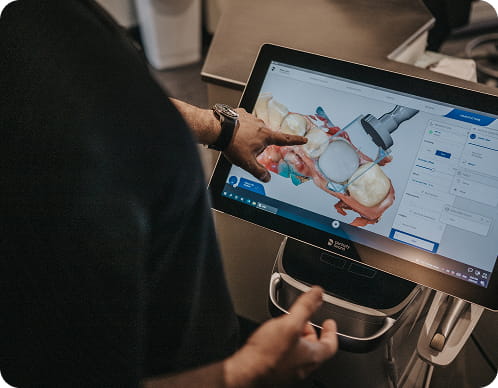
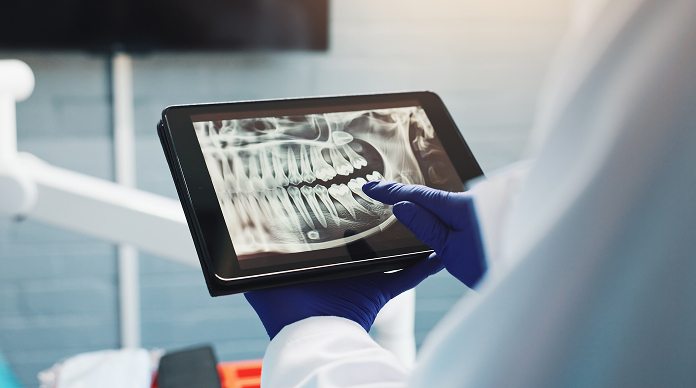
We start with an exam and an X-ray to show all your wisdom teeth and the nerves around them. This tells us how the teeth are sitting, whether removal is needed, and whether it’s best done at the clinic or in a day hospital. It’s also when we go through your medical history and any medications.
Anaesthetic & Procedure
Straightforward wisdom teeth removals are done under local anaesthetic at our Subiaco clinic. More complex or impacted teeth can be done under general anaesthetic in a day hospital. A simple extraction can take minutes. A deeper impacted tooth takes longer and may need a small incision to reach it.
Recovery
Some swelling, tenderness and jaw stiffness are normal for the first few days. Swelling usually peaks around day two or three, then settles. Stick to soft foods, rest, and avoid smoking or vaping, as it can cause a painful complication called “dry socket”. After the first day, rinse gently with warm salty water to keep the area clean. Most people are back to normal activities within about a week.
Follow-Up
If you have stitches, they’re often the dissolving kind, or we’ll take them out at a review about a week later. We’ll check how the socket is healing and sort out anything that’s come up. If pain gets worse instead of better after the third day, call the clinic to schedule an earlier appointment.
Wisdom Teeth Removal Perth – FAQs
The most common questions people ask our dentists about wisdom teeth removal in Perth, from pain and recovery to cost and eating afterwards.
Local or general anaesthetic is used during wisdom tooth removal to manage pain and discomfort. With local anaesthetic, you may still feel some pressure during the procedure. You’ll likely feel some pressure while the tooth is eased out. Afterwards there’s usually some soreness for a few days, which most people manage with over-the-counter pain relief and a cold pack.
Most people are back to normal activities in about a week. Swelling and soreness are worst in the first three days. A simple extraction heals faster than a deep impacted tooth, which can take up to two weeks to fully settle. Healthdirect notes you may need up to a week off work, so that’s something to think about when scheduling wisdom tooth removal in Perth.
There is a small risk of temporary numbness in the lip or tongue after removing lower wisdom teeth, because nerves sit close by. We check exactly where they are on your X-ray first, and we’ll talk through any risks specific to your case before you decide.
The cost of wisdom teeth removal in Perth depends on how many teeth are removed, whether they’re impacted, and whether it’s done under local anaesthetic at the clinic or general anaesthetic in a day hospital. Wisdom teeth removal isn’t covered by Medicare, though private health extras or hospital cover can help. We’ll give you a clear quote after your assessment. We also offer payment plans to help manage the cost of dental care.
You can’t eat normally for the first few days after wisdom teeth removal. You’ll usually need soft food at first and should avoid chewing directly over the extraction area. As the tenderness settles, you can gradually return to your normal diet. Follow your dentist’s instructions and avoid very hot, hard or sharp foods while the socket is healing.
An impacted wisdom tooth is a third molar that can’t come through normally because it’s blocked by gum, bone or the tooth beside it. It might stay trapped under the gum or bone, or push partway through. Some impacted teeth can remain in place with monitoring, while others need removal because they cause pain, infection or damage.
Important information: Treatment outcomes vary and cannot be guaranteed. All dental treatments carry potential risks and may not be suitable for everyone. Your dentist will assess your individual circumstances and discuss the expected outcomes, risks and alternatives before treatment.