



 Go Back
If you’ve been researching veneers, you likely know that there are two main types available in Australia: porcelain and composite. And you have probably come across information online that pushes one over the other.
In truth, there isn’t a universal “better” choice between porcelain vs composite veneers.
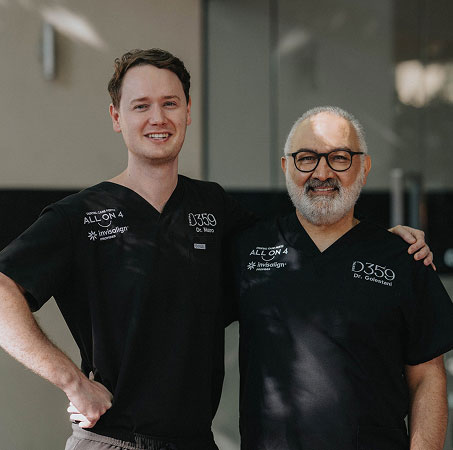
Dr Thomas Munro, principal dentist at Dental 359 in Subiaco, offers both porcelain and composite veneers. The right option for you depends on the condition of your teeth, what you’re trying to change, and a handful of other factors that a dentist assesses in person.
If you’re split on the difference between porcelain and composite veneers, this guide will help you understand the benefits of each so you can be more informed when you meet with your dentist for a consultation.
First Things First: What Are Veneers?
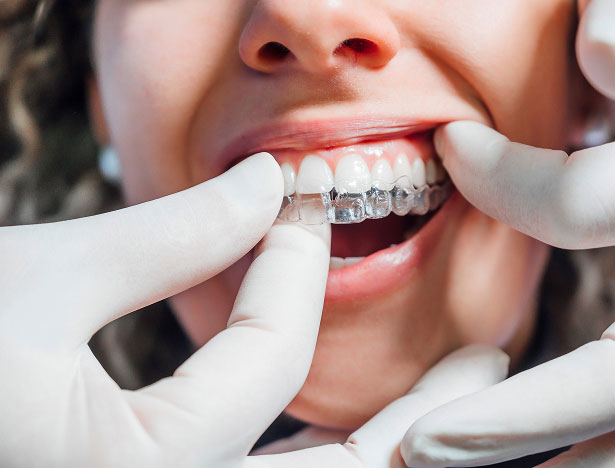
A veneer is a thin layer of material bonded to the front surface of a tooth. It sits over the tooth you already have and may be used to change the tooth’s colour, proportions or shape.
The two main materials used in Australian dental practices are porcelain veneers (also called ceramic) and composite resin veneers. Both are cosmetic dentistry procedures used to treat concerns including:
- Gaps between teeth
- Disproportionate or poorly shaped teeth
- Cracked, chipped or worn teeth
- Teeth that are too small or too large
- Permanent staining
They are generally considered after a consultation with your dentist, where they check that the tooth and surrounding gums are healthy.
Are Veneers Popular In Australia?
Although there is no exact number for how many Australians have porcelain or composite veneers, we know from more than 25 years of experience that veneers are one of the most popular cosmetic dentistry procedures.
Research from 2023 also predicted that the market for veneers in Australia would grow by 8.4% each year to reach approximately $160 million (US $112.1 million) by 2030.
We are seeing more interest in veneers from Western Australians who want to regain confidence in their smiles. And their first question is usually: “What is the difference between porcelain and composite veneers?”
Porcelain Veneers: What They Are and How They Work
Material and Construction
Porcelain veneers in Perth are made from ceramic. Ceramic has light-reflecting properties similar to natural tooth enamel, helping dentists and ceramicists to achieve a close match to the surrounding teeth.
Porcelain veneers for Dental 359 patients are made locally by a dental lab in Perth. Each veneer is custom-made to fit an individual tooth, rather than selected from a standard catalogue of shapes.
The Process
Porcelain veneers usually take two appointments. The first is to prepare the tooth, and the second is to fit the finished veneer.
At the first appointment, your dentist will remove a very small amount of enamel from the front of the tooth to make room for the veneer. Unlike crowns, porcelain veneers are bonded straight onto the tooth’s existing structure using a technique that requires very little reduction.
We take an impression of the prepared teeth and send it to the laboratory. This is done with digital scanning, so there are no putty impression trays.
Our local lab partner usually needs two weeks to build your veneers to the size, shape, and colour that suits your smile. Where needed, we work closely with our skilled ceramists to create a custom shade and shape match, ensuring your veneers blend naturally with your surrounding teeth. We will place temporary veneers to protect the prepared teeth in the meantime.
At the second appointment, your dentist bonds the finished veneers to your teeth and adjusts for fit and bite.
You can read more about how we approach this on our porcelain veneers info page.
Longevity
Porcelain veneers last around 10 to 12 years on average with proper care. A 2021 study estimated that 95.5% of porcelain veneers lasted at least 10 years.
However, individual results vary depending on personal factors, including:
- Your bite
- Your eating and lifestyle habits
- How well the veneers are looked after
- Teeth grinding
- Injuries
- Underlying tooth conditions
- Biting hard objects
One thing worth noting is that porcelain can’t be repaired if it chips. Very small defects can sometimes be polished or repaired, but a damaged porcelain veneer usually has to be replaced.
Cost
Porcelain is generally the higher-cost option when comparing porcelain vs composite veneers. This reflects the clinical appointments and laboratory work involved.
We don’t like to quote a fixed price online because it wouldn’t be accurate for your situation. The actual cost of porcelain veneers depends on the number of teeth and the complexity of the case.
We understand that cost can be a barrier to receiving your ideal treatment. To help take the stress off your bank balance, we offer a range of payment plans and financing options for cosmetic dentistry. This is something to discuss with your dental care team during your consultation.
Composite Veneers: What They Are and How They Work
Material and Construction
Composite veneers are made from composite resin, the same tooth-coloured material used for white fillings. Rather than being made in a lab, your dentist applies and shapes the resin in a single appointment.
The shade is matched to the surrounding teeth as it’s built up. This direct technique is one important difference between porcelain and composite veneers.
The Process
Composite veneers are typically completed in one appointment, with no need to send impressions to a dental lab.
Your dentist will:
- Apply the resin directly to the tooth
- Sculpt it into shape by hand
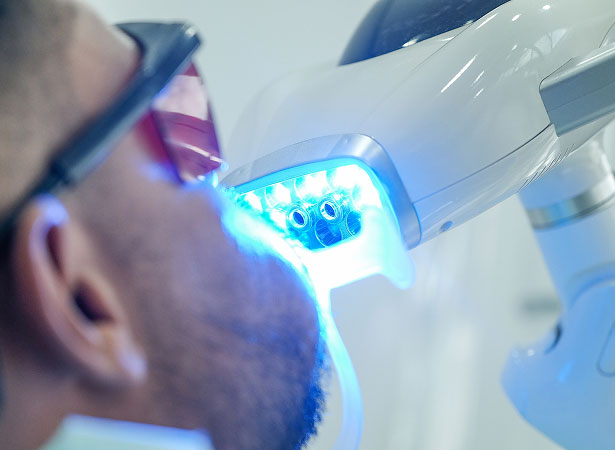
- Harden it with a curing light
- Polish to a natural shine
You leave with the finished result the same day. Composite veneers also require little to no tooth preparation.
Longevity
Composite veneers last around 5 to 7 years on average with proper care. Again, individual experiences vary based on your lifestyle and habits.
The colour and surface finish may change over time, particularly with exposure to staining foods or drinks. However, if a composite veneer chips or becomes too damaged, it can usually be repaired rather than replaced.
And because minimal or no enamel was removed, the treatment can often be reversed. That flexibility is a large part of why some patients prefer composite to porcelain veneers.
Cost
Composite veneers are generally more affordable than porcelain. Although again, the total cost depends on how many teeth are involved. The amount of reshaping and the complexity of matching neighbouring teeth can also affect cost.
Our team will confirm the costs during your consultation.
A lower upfront fee doesn’t automatically make composite the lower-cost option. Repair, polishing, and replacement will change the equation over the years.
Porcelain vs Composite Veneers: Side-by-Side Comparison
| Factor | Porcelain Veneers | Composite Veneers |
| Material | Ceramic, made in a dental laboratory | Composite resin, applied directly to the tooth |
| Appointments | Usually two (preparation and fitting) | Usually one |
| Tooth preparation | A very small amount of enamel removed | Minimal, sometimes none |
| Longevity (average) | Around 10–12 years* | Around 5–7 years* |
| Repairability | Chips usually mean replacement | Chips can usually be repaired |
| Cost | Higher upfront | Lower upfront |
| Reversibility | Not reversible | Often reversible as little enamel is removed |
*Individual results vary. Suitability assessed at consultation.
When patients ask, “Porcelain veneers or composite veneers, which is better?”, the comparison above shows why there is no one-size-fits-all answer.
Porcelain generally involves a longer process and greater commitment. Composite usually requires less preparation but may need earlier maintenance. The best option is to book a consultation with your dentist for professional advice and a personalised treatment plan.
What Factors Affect Which Option a Dentist May Recommend?
Your decision between porcelain vs composite veneers should begin with an examination, rather than the material alone. There are clinical factors that a dentist must consider when talking through your options at a consultation.
Oral Health
Veneers do not treat active tooth decay or gum disease. The Australian Institute of Health and Welfare (AIHW) estimates that 11% of children aged 6–14, 27% of children aged 5–10, and 32% of over-15s have untreated decay.
Existing dental disease needs to be identified before cosmetic treatment proceeds.
Tooth Condition
The dentist will check how much healthy enamel remains. Enamel provides a reliable surface for bonding, so its condition can influence both treatment planning and longevity.
Large fillings or previous damage may affect whether a veneer is appropriate. A tooth with structural issues may require a different treatment.
Number of Teeth Involved
A single chipped tooth and a full upper arch restoration are different exercises in planning, colour-matching, and cost.
With one veneer, matching the neighbouring natural teeth can be the main challenge. When several teeth are involved, your dentist must consider how their proportions relate to your face and bite.
This is why we believe that dental veneers should be individually planned rather than treated as a standardised product.
Bite and Grinding Habits
Although there are a lot of differences between porcelain and composite veneers, what they have in common is that both are exposed to the forces created when you bite or clench.
A deep bite or uneven contact can place extra pressure on the edges of veneers.
If you grind your teeth (a condition called “bruxism”), that’s worth raising with your dentist. It can affect how you decide between porcelain vs composite veneers, and whether a night guard is needed.
Cosmetic Goals
The issue you’re actually trying to address is important for your treatment. Whether it’s a single damaged edge or the apparent proportions of several teeth, your dental care team can recommend a personalised long-term solution.
For example:
- Staining may be manageable without veneers
- Tooth position or bite concerns may need orthodontic treatment
- Limited composite bonding can sometimes treat small chips
A consultation with a trusted cosmetic dentist in Perth should include these alternatives. At Dental 359, Dr Thomas Munro discusses all options so you can make an informed decision.
Budget and Treatment Timeframe
Composite veneers may suit someone with a lower initial budget or a shorter treatment timeline.
Porcelain requires laboratory fabrication and normally costs more at the beginning. It may remain serviceable for longer, but no material lasts forever.
Your dentist will explain the upfront fee, maintenance requirements and costs, and repayment options. That discussion provides more useful information than comparing the initial prices alone.
Long-Term Dental Outlook
Porcelain veneers involve removing a very small amount of tooth enamel, which can’t be undone. You should factor future replacement into your decision, even though the first restorations remain serviceable for a decade.
Composite may preserve more enamel. It still requires ongoing care (polishing, repairs or replacement). Still, the permanence is an important difference between porcelain and composite veneers.
Questions to Ask at Your Veneer Consultation
You don’t need to make a final decision just yet. In fact, it’s usually better if you come to your consultation with questions. Below are some that Dr Thomas Munro recommends you ask when comparing porcelain vs composite veneers.
1. Am I a suitable candidate for veneers?
Ask whether your teeth and gums are healthy enough for cosmetic bonding. You should also ask whether another treatment may be more appropriate for your dental concerns.
2. How much tooth preparation will be involved?
Find out whether some or all of the affected teeth need enamel removal, and the extent. The difference between porcelain and composite veneers may depend on whether you are comfortable with a lifelong maintenance program.
3. How many appointments will I need?
Both porcelain and composite veneers may require an assessment and diagnostic appointment before the treatment. Porcelain veneers typically need one more appointment than composite, but it varies from one patient to the next.
If there is a gap between shaping your teeth and applying porcelain veneers, ask whether you need temporary restorations.
4. What does the process look like from start to finish?
Ask for a clear, written explanation of the treatment process for porcelain vs composite veneers. It should start with diagnosis, shaping, and restoration, and continue through to ongoing maintenance requirements.
5. What are the long-term maintenance requirements?
Find out how often the veneers should be reviewed. Also ask about peripheral treatments, such as whether your dentist recommends polishing or a night guard for your circumstances.
6. What happens if a veneer chips or needs replacing?
The answer will differ between materials. Find out whether a chipped veneer is a dental emergency and what the likely response would be.
7. Are payment plans available?
Always ask for the total treatment cost before considering finance. Payment plans are financial products and may not be suitable for everyone. We encourage you to seek financial advice and review the provider’s fees and repayment terms carefully before committing.
Book a Veneer Consultation at Dental 359 Subiaco
If you’ve read about the difference between porcelain and composite veneers and you’re still not sure which suits you, that’s exactly what a consultation is for.
Dr Thomas Munro offers both porcelain and composite veneers at Dental 359 on Rokeby Road in Subiaco. At your consultation, he’ll assess your teeth, talk through both options, and explain what each would involve for your situation.
To book, call us on 1300 625 625 or click “Book an Appointment” at the top of the page.